
 Bangladesh
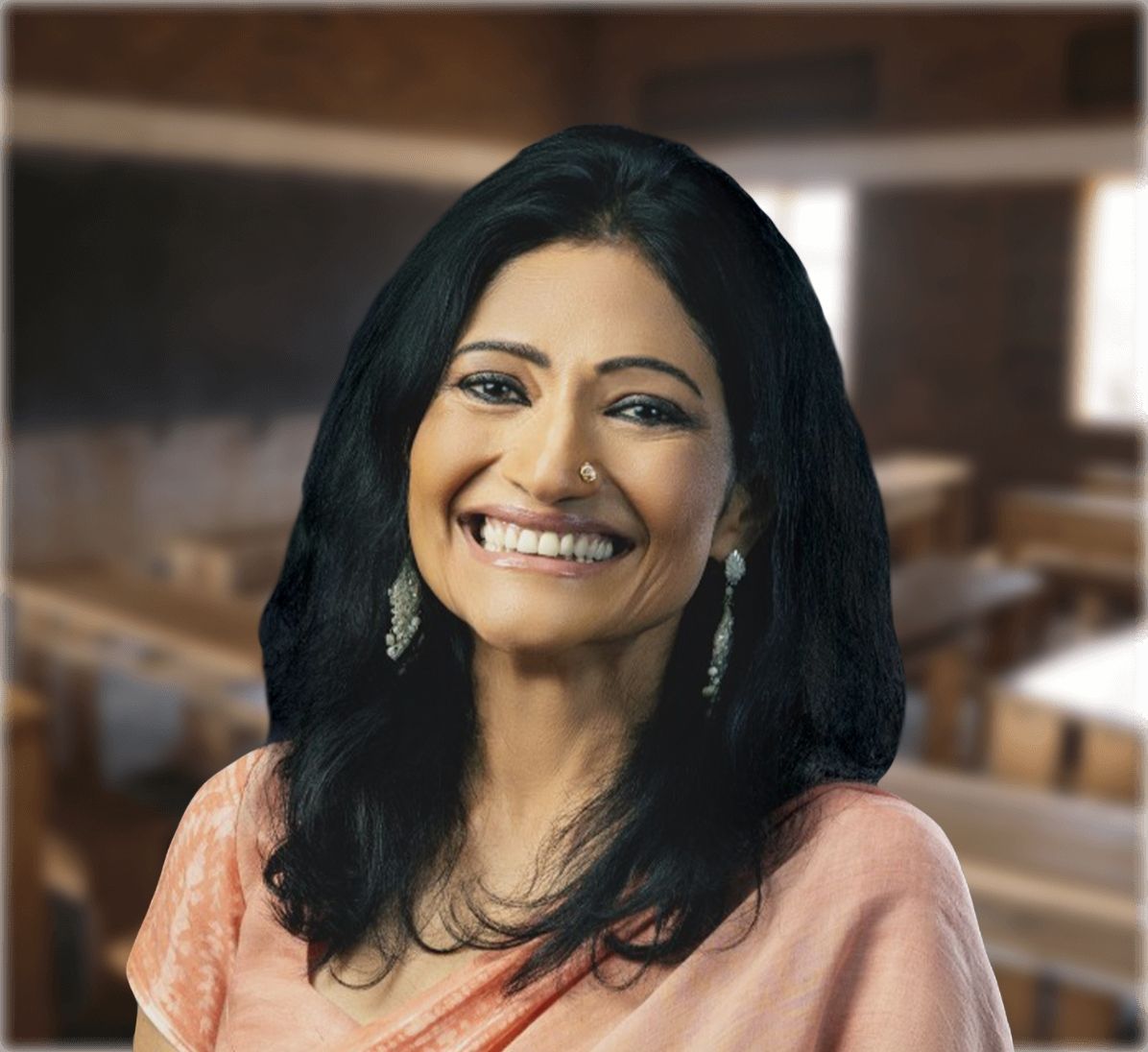
- Moved by the hardships faced by Bangladesh’s remote char communities, RUNA KHAN founded Friendship to deliver essential services to people living beyond reach of conventional development programs.
- What began with a single hospital ship grew into a comprehensive development model delivering healthcare, education, climate adaptation, livelihoods, and social inclusions to millions across riverine, coastal, and refugee communities.
- The RMAF Board of Trustees recognizes her profound empathy for the poorest of the poor in her country, and her courage, vision, and tenacity in building and leading Friendship to accomplish her mission. In her hands, privilege became not an entitlement, but a responsibility; not a family legacy to protect, but a gift to be shared so that others, too, might have the chance to live with hope, opportunity, and dignity.
Formed on the vast delta of three great rivers, Bangladesh has been called a country built on water, silt, and resilience. Its fertile soil has sustained civilization for thousands of years, and its people have fought adversity to sustain a growing economy. But the same geography that feeds it is also its main threat. Rising sea levels and intense river flooding regularly bring misery to its people.
While Bangladesh’s economy experienced a surge in the early 2000s, largely from garments exports, it remains highly challenged by climate change and political instability. Its population density is among the world’s highest, driving people to find work and shelter in the margins.
Among the most vulnerable and poorest Bangladeshis are those who live on chars—temporary islands and sandbars formed by river silt—whose lives and livelihood literally depend on shifting sand. At least one in twenty Bangladeshis live this way—largely neglected and ignored, with very little access to social services.
In 1997, a woman from one of Bangladesh’s most privileged families visited a char on the Brahmaputra River, and was deeply moved by what she saw. After studying the char dwellers’ needs more thoroughly, she opened a hospital ship for them in 2002. But after realizing that she needed help if she wanted to do more, she started an organization that same year that would prove crucial to the future of char communities. Simply named Friendship Bangladesh, it would save countless lives, help char people deal with climate change, educate their children, empower women, create livelihood opportunities, and bring social justice to the excluded.
That woman was Runa Khan, born in 1958 into abundance and exemption from the usual lot that awaited her countrymen. Leaving her sheltered world, she immersed herself into the life of the poor, starting as a teacher to young children in 1979. But it was when Khan encountered the people of the char that she found her true calling. Seeing that not one NGO was devoted to their needs, Friendship built a machinery of hope and service that continues to make a vital difference in the lives of millions. From a starting team of 24 field medical and hospital staff and four in the head office, the organization today employs more than 7,500 people, most of them drawn from the very communities it serves.
Since its founding, Friendship has established a three-tier health system that provides sustained healthcare at all levels from primary to specialist care. “Healthcare cannot be a one-time intervention… After a hospital treats a patient, Friendship cannot simply ‘disappear,”’ Khan says. Working now with seven hospital ships and two land-based hospitals, 550 mobile clinics, and 700 trained Friendship Community Medic Aides, Friendship serves riverine, coastal, and refugee communities, including Rohingyas displaced from Myanmar. Its climate adaptation operations has built the first solar villages and has afforested more than 200 mangrove hectares, training more than 10,000 volunteers in rescue and relief. More than 205,000 people have found new jobs through 137 Sustainable Economic Development Hubs.
On the principle of making “movable schools for climate migrants,” Friendship has built prefabricated schools that can be dismantled in hours and rebuilt when erosion threatens. Almost 30,000 students have been reached by these schools, and they have scored an astounding high school average of 90.05% in the Secondary School Certificate national examinations. Community paralegals educate people about their rights, and cultural workers ensure the preservation of traditional skills and practices.
Through these efforts, Runa Khan and Friendship brought the char people from inaccessibility to sustained service, from dependency to participation, from vulnerability to resilience, from invisibility to recognition, and from despair to hope.
Though she could have transformed lives from a distance, Khan chose instead to walk alongside those with the least—and in attending to the smallest details, learning that dignity is often restored one thoughtful act at a time.
In electing Runa Khan to receive the 2026 Ramon Magsaysay Award, the board of trustees recognizes her profound empathy for the poorest of the poor in her country, and her courage, vision, and tenacity in building and leading Friendship to accomplish her mission. In her hands, privilege became not an entitlement, but a responsibility; not a family legacy to protect, but a gift to be shared so that others, too, might have the chance to live with hope, opportunity, and dignity.