
 Maldives
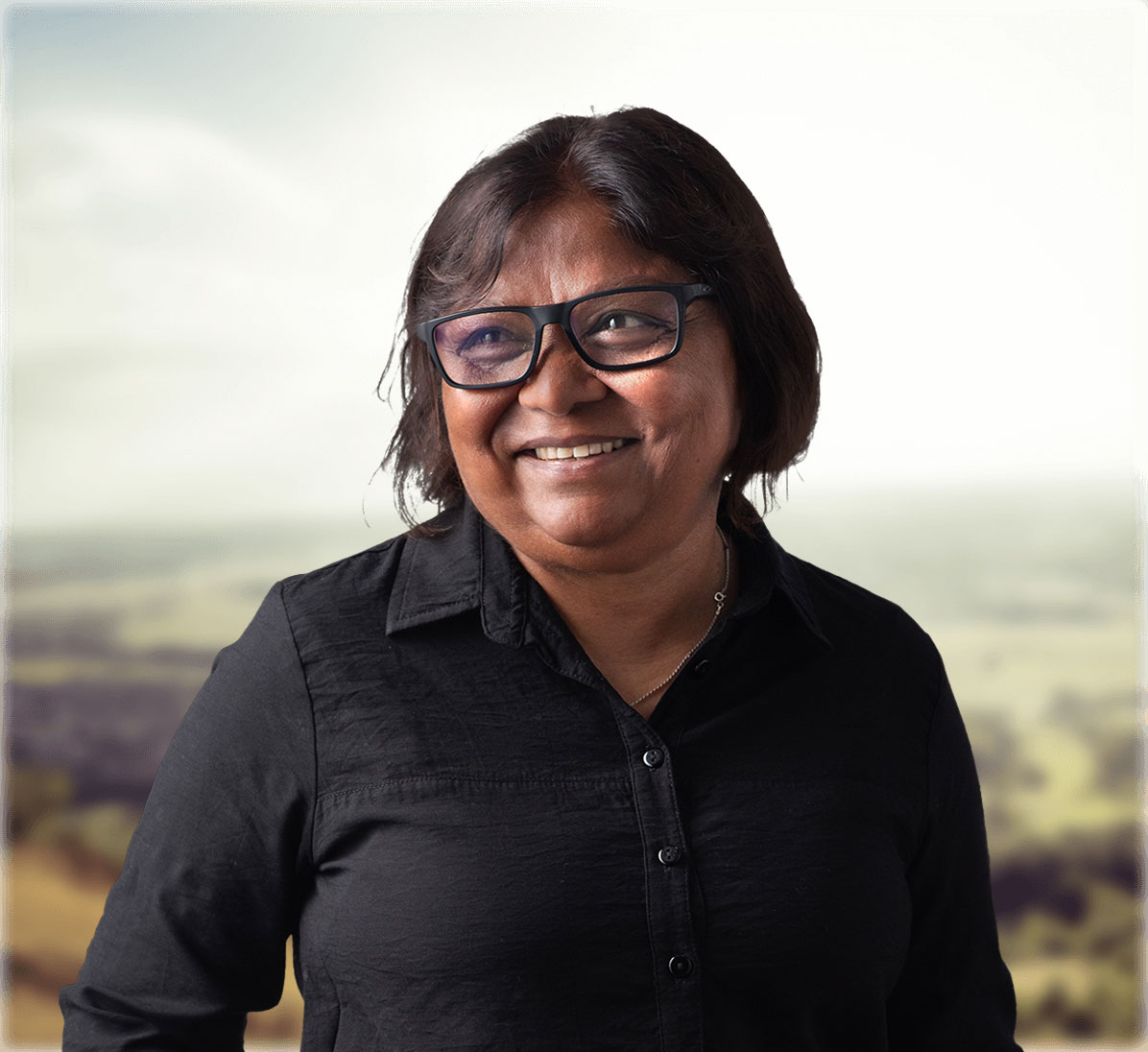
- SHAAHINA ALI is a diver, photojournalist, and environmental advocate who turned personal grief over the Maldives’ plastic-choked seas into a nationwide movement to protect its marine ecosystem.
- As executive director of Parley Maldives, she leads the campaign to “Avoid, Intercept, and Redesign (AIR)” plastic use, transforming waste management through cleanup drives, recycling initiatives, and educational outreach.
- Under her leadership, Parley has partnered with volunteers, organizations, and local businesses, establishing plastic interception sites in over 70 schools and organizing more than 700 coastal cleanups across the archipelago.
- She built a grassroots movement that turned waste cleanup into a symbol of civic pride and shared stewardship, proving that protecting the ocean starts with empowering island communities.
- The RMAF board of trustees recognizes her unwavering commitment to protecting the marine ecosystem of the Maldives with passion, vision, and inclusivity, ensuring that her work will be carried on by another generation of Maldivians in search of effective local solutions to global problems.
Asia’s smallest country and located in the Indian Ocean, the Maldives—made up of twenty-six atolls and almost 1,200 coral islands—often appears in tourist brochures and websites as a tropical island paradise, surrounded by aquamarine waters ideal for snorkeling and fishing. Its culture is deeply tied to the ocean, and it is home to a people proud to be Malvidian. Not surprisingly, tourism has become the country’s leading industry, overtaking fishing and boosting the Maldives’ Gross National Income to upper-middle-income levels by the late 2010s.
Behind this idyllic façade, however, lies a murkier and unpleasant truth. Rapid urbanization has led to ugly consequences. Plastic pollution has befouled the island chain’s crystalline waters, threatening the marine ecosystem, the economy, and the health of its residents. The threat exists on both land and sea. This waste is either burned or tossed into the ocean, producing harmful smoke and microplastics that damage and contaminate all forms of life ashore and underwater.
As a young girl growing up in the Maldives, Shaahina Ali was fortunate to have witnessed a far more benign and cared-for place to call home. “My memories of our beaches are of the finest white sand, full of natural shells, with many natural treasures for us to play with,” she recalls. “As a kid, I remember a fight we had for a plastic bottle find—it was so rare. Garbage or even fabric, tins, and plastic bags were not there. Plastic bags were treasured and reused, as they were not something available even in the shops.”
Today those treasures have become an environmental nightmare for Ali’s beloved Maldives. The lack of proper waste management has led to tons of waste, particularly plastic, being disposed of haphazardly. As a diver, photojournalist, and diving instructor herself, Ali often came literally face to face with the tides of trash clouding up the once-pristine waters of her islands, leaving behind swaths of dead fish and dying corals.
In 2015, deciding to fight back, Ali linked up with the NGO, Parley for the Oceans, to frame a comprehensive program to save the country’s waters from pollution and to turn plastic waste into a useful source of livelihood for the people. Today, as executive director of Parley Maldives, she oversees the implementation of their signature strategy: Avoid, Intercept, and Redesign (AIR) plastics for a better environment.
Working with volunteers and with local businesses and organizations, Parley undertakes massive cleanups, educational programs, and recycling ventures that have not only caught much of the physical waste but just as crucially intervened where it matters—in the minds of Maldivians and tourists who now recognize and avoid the problems plastic poses. With Ali, Parley has introduced plastic interception and collection sites in island communities and over seventy schools, leading over 700 collaborative cleanups along affected coastlines.
Ali is aware that much more has to be done both in and out of the water to ensure a cleaner and safer future for her country. She has worked with the government to address climate change, which to her, is Nature’s way of talking to us. “We can’t afford to address just one problem. We’ve got to take care of everything because everything is connected to the sea.” She has chosen to see the unusual characteristics of her country as an opportunity for change rather than a hindrance: “We are the perfect country to educate and showcase climate change and resilience as our country is made up of only 1% land; the other 99% is covered by sea.”
Ali saw crises where others saw coastline—mounting waste, and plastic quietly invading paradise. Quiet and unassuming, she sparked a marine movement rooted in community, science, and resolve. With every campaign, cleanup, and policy shift, she proved that protecting nature is not just environmental, especially with rising seas globally—it is existential.
“I go there to clean up with hope—hope that my grandchildren will see whales in the ocean in their lifetime as I did growing up.” It is a vision that drives Ali’s optimism and her passion for the seas. Asia’s smallest country may yet be its biggest anti-pollution champion.
In electing Shaahina Ali to receive the 2025 Ramon Magsaysay Award, the board of trustees recognizes her unwavering commitment to protecting the marine ecosystem of the Maldives with passion, vision, and inclusivity, ensuring that her work will be carried on by another generation of Maldivians in search of effective local solutions to global problems.
Thank you so much for this prestigious Award.
Being recognized for the work we have dedicated most of our lives truly encourages us to continue with even more hope and positivity.
I am deeply grateful to be listed among 356 amazing Ramon Magsaysay Awardees who continue to do good and make a difference in a world that needs it more now than ever.
I have always loved the ocean. Diving for me, has always been my passion. Meeting the incredible life that thrives beneath the surface of our oceans, or just drifting weightless in the blue is simply magical. I was happy and content just being there. But one dive changed everything for me.
In 1998, the Maldives lost over 90 percent of the first 5 meters of its reefs to El Niño. Witnessing this for the first time as it happened did not worry me in the beginning—I was fascinated. The reefs tops were like a winter wonderland. A few months after the event I saw a lot of algae and the reef had no color and the fish slowly disappeared. This was climate change that we were then talking and hearing about. It was happening and many of us did not even realize it—let alone see it. I did not understand it.
Then I had the opportunity to volunteer with the Marine Research Centre as a diver on a reef monitoring trip to evaluate the status of our coral reefs. This experience—working closely with a team of marine biologists—became a turning point in my life.
A simple explanation from the science world in a way I understand, made me realize that corals, or rather the tiny polyps that build them, cannot survive even with a small change in ocean temperature. That lesson changed the way I saw the ocean forever. I began to understand how these tiny organisms that creates something so complex and beautiful was so fragile and vulnerable and could so easily become victims of climate change— it happened and was going to happen more frequently if we do not do something. It was happening and was going to happen without many of us ever realizing the deep, symbiotic connection between the ocean and all life, including our own.
How the impact on corals from raising ocean temperature and pollution and other factors could tumble the whole structure that builds the Maldives, that sustains us and that provide our food in just a few days was a lot for a younger me. It was a moment.
It was that moment that made me very determined to actually focus more in inspiring a generation of young Maldivians who would rise to work together and do everything possible to protect our home and our oceans. We had a number of dive professionals we trained in our dive school to volunteers with us in taking teachers, students and many communities to see what a reef is and how amazing and beautiful it is. Many for the first time, and once you see that magical world, it becomes easier for them to understand its symbiotic connection and fragility.
This Award reminds me that every small effort matters. My hope is to inspire more people to connect more deeply with nature—not just through pictures or words, but through real exposure, emotions and conscious actions. I hope that we can help us live in balance and give other life forms an equal chance to exist.
This recognition is not mine alone. It belongs to the communities that I work with. My amazing team in Parley Maldives , who work tirelessly to protect our oceans; to Parley Global team who have always been there for us—for the Maldives; to all individuals who truly believe in the work we do; to all NGO’s and collaborators who supports us in many ways than one; and to my friends, who have joined and participated in my beliefs even if it was inconvenient.
I will not be who I am without my family who have always loved, supported and encouraged me to be me. To my husband and partner who has given more than 34 years of his life in the Maldives, being my partner and training many outstanding local diving professionals—thank you.
Finally, I want to express my heartfelt appreciation to the Ramon Magsaysay Award Foundation team, for their kindness and warm hospitality. My companions and I feel so loved and spoilt. Thank you for everything.
Thank you once again for this great honor, and for believing in the work we do.
I dedicate this Award to all Maldivians who are, right now, feeling hopeless about what is happening in our ocean space. We need to stay unwavering in our belief and our purpose, picking our battles and moving forward with more conviction than ever. Ocean is our life—for the oceans.